
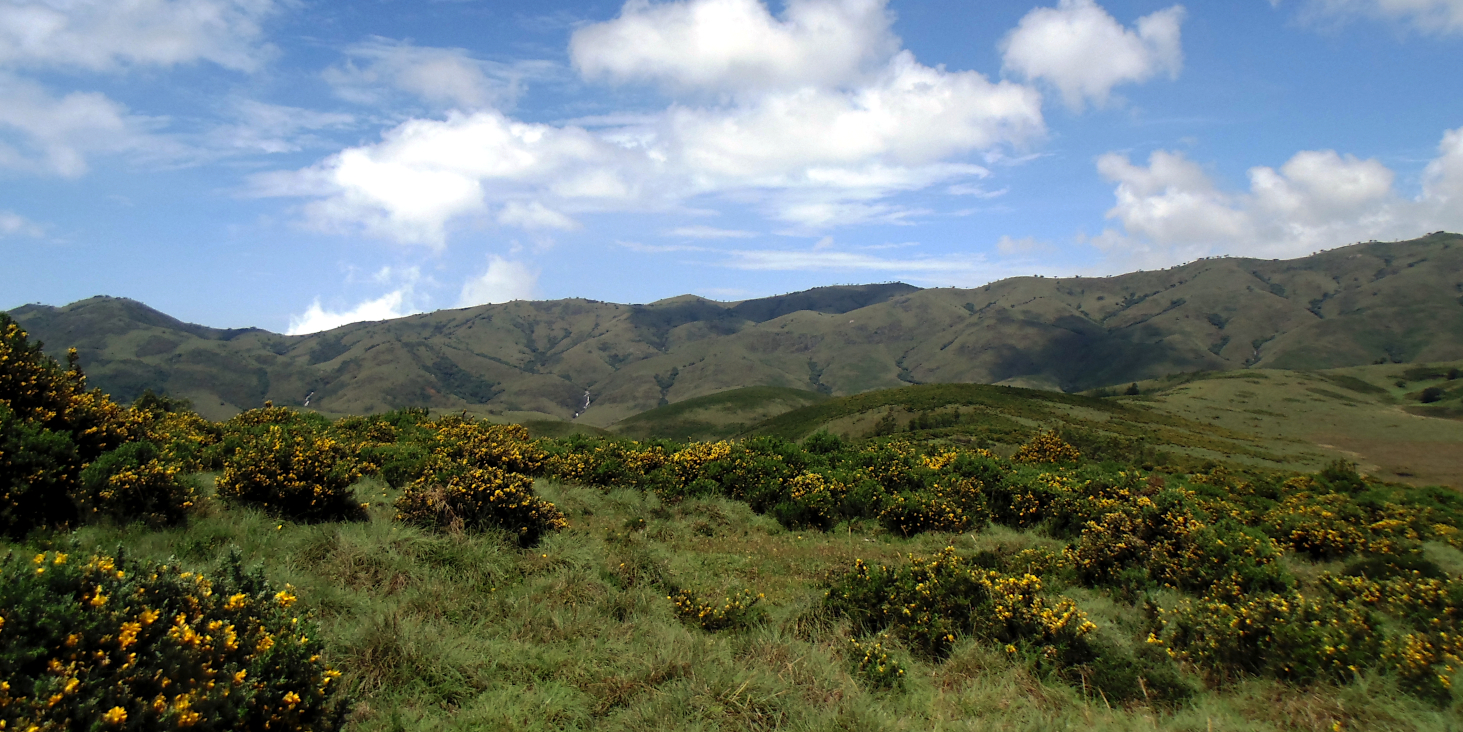
The Nilgiris, India's first Biosphere Reserve and a fragile and ecologically rich biodiversity hotspot, is not only critical for biodiversity conservation but also serves essential hydrological functions by capturing monsoon rainfall, regulating stream flow, and ensuring water security for wildlife and millions of people downstream throughout the year. However, mounting threats from invasive alien species and rapid land-use changes have been accelerating biodiversity loss and ecosystem degradation.
The need for informed conservation strategies and landscape-scale interventions has never been more urgent.
"Forests bring rain." In the Nilgiris, it is more than a phrase—it's a lifeline. Since 2012, we have worked toward answering key questions on this extraordinary ecosystem, with its mix of native, introduced, and invasive species, provides essential hydrological services. Our team has built one of the longest, high-resolution records of rainfall and stream flows (2012–2022) in the region. Using a dense instrumentation network, we monitor rainfall, stream flows and soil moisture in grasslands, sholas, and wattle-invaded environments, despite challenges like elephants and landslides.
We need your support to carry on.
What Our Data Shows Topography and vegetation influence hydrological behaviour. We validated their impact on rainfall retention and stream flow dynamics. Invasive alien species drive water loss. Transpiring more than native plants, stream flow is reduced, worsening dry-season stress on biodiversity and farmers. Natural hydrological balance disrupted. Water-retention capacity of native grasslands is affected—runoff increased, groundwater recharge reduced, thus weakening ecosystem resilience. Climate change and invasives compound water scarcity. Under climate change scenarios, this ecological imbalance threatens water security and resilience. Restoring native vegetation is key for long-term adaptation. | Our Achievements Part of a global research network. Our site is part of the Critical Zone Collaborative Network (CZ Net), a platform advancing research on Earth's life-sustaining systems. Built cross-sectoral capacity. Over 100 people from NGOs, government, and academia were trained, enabling better informed and coordinated landscape management. Established long-term research infrastructure to inform management. Collaborated with the Forest Department to generate data to guide wattle removal and grassland restoration. Informed state-level environmental policy. Research findings aided Tamil Nadu's Policy on Invasive Plants and Ecological Restoration, demonstrating tangible policy impact. Invested in future conservation leaders. Our work supported an MSc and a PhD dissertation, plus training for an MSc and 8 PhD students, building skilled conservationists. Disseminated knowledge widely. Six journal articles, six conference papers, four policy briefs, and one public article—boosting both academic and public understanding. |
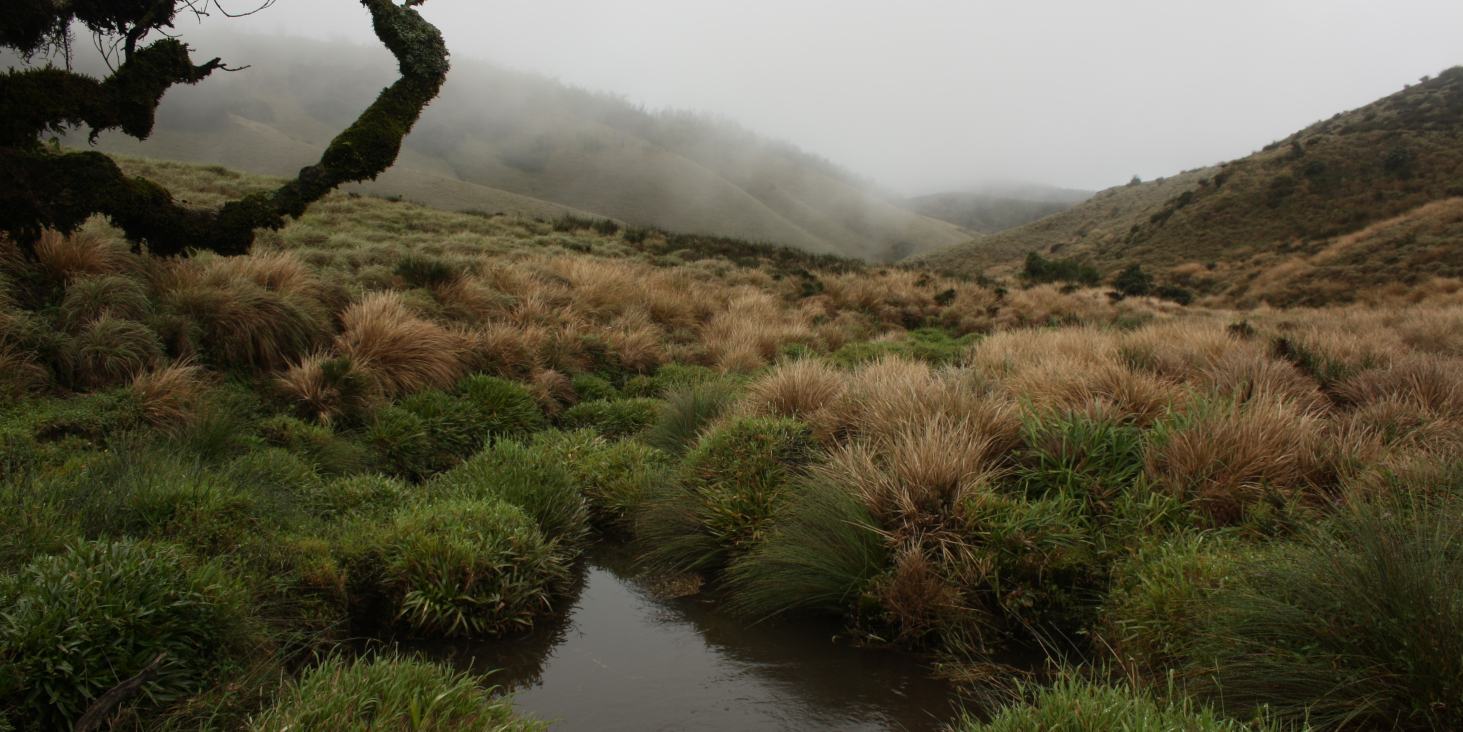
Support our research to control invasive species and restore grasslands and sholas—critical ecosystems that support incredible biodiversity and protect against climate extremes.
Invest in the next generation water and ecosystem scientists by enabling hands-on workshops, collaborative research, and networks. Your contribution helps shape sustainable solutions for India's most pressing environmental challenges.
Science depends on reliable tools. Help maintain and replace essential equipment—ensuring our researchers can keep collecting critical data and deepening our understanding of these threatened landscapes.
RAISED: INR 4 LAKHS (USD 4500) | TARGET: INR 20 LAKHS (USD 23550)
For Foreign Donations under FCRA Please Email Us: support@feralindia.org